
The massive Infosys buyback kicked off today with shares tumbling, offering a rare chance for holders to cash in at a premium price. As the record date hits on November 14, 2025, investors face a key decision amid tax twists that could wipe out gains for many. Zerodha’s Nithin Kamath warns of the hidden costs, sparking debates on whether to tender or hold. Details ahead reveal if this Rs 18,000 crore move truly pays off.
Key Details of the Infosys Buyback Plan
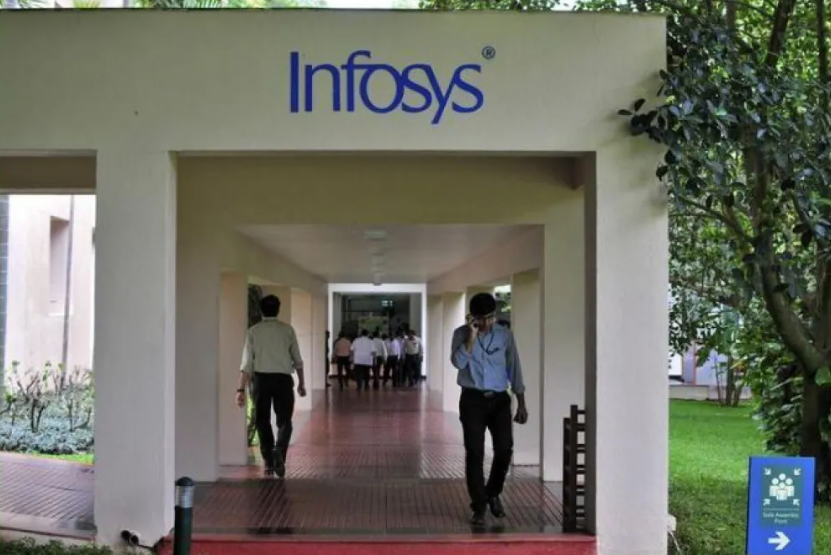
Infosys launched its largest ever share repurchase program worth Rs 18,000 crore, setting November 14, 2025, as the record date to pick eligible shareholders. The company will buy back shares at Rs 1,800 each, a solid 17 percent jump from the November 13 closing price of Rs 1,542. This marks the fifth buyback for Infosys since 2017, aiming to return value to investors while boosting confidence in its future growth.
The buyback targets up to 100 million equity shares, or about 10 percent of the total paid-up capital. It follows strong quarterly results and a focus on digital services. Infosys promoters, including key figures like Nandan Nilekani, Rohan Murty, and Sudha Murty, chose not to join this round. This decision keeps the focus on public and retail holders.
Small investors get a special edge here. The firm set aside 15 percent of the buyback for those with holdings worth Rs 2 lakh or less as of the record date. This helps everyday folks participate without big institutions dominating.
To qualify, you must own Infosys shares in your demat account or physical form by the end of trading today. Buying after this date means you miss out. The process uses a tender offer route, where accepted bids lead to shares getting repurchased soon after.
Tax Rules That Change the Game for Investors
Zerodha co-founder Nithin Kamath took to social media to break down the tax side of the Infosys buyback. He noted that while the Rs 1,800 offer looks tempting against the current price around Rs 1,550, taxes can eat into profits. The buyback proceeds count as income from other sources, taxed at your personal slab rate, which might hit 30 percent for higher earners.
Kamath explained that after the company buys your shares, the original cost of your investment turns into a capital loss. This loss can offset other capital gains in your portfolio. If you held the shares for over a year, it becomes a long-term capital loss. Shorter holds count as short-term.
This setup makes the buyback shine only if you have gains elsewhere to balance out. Otherwise, it acts much like a dividend payout, but with steeper tax hits for many. Kamath shared this on November 13, urging holders to check their tax brackets before acting.
For those in lower slabs, say five percent, the math works better. But for middle and high earners, selling on the open market might yield more after taxes. Zerodha even added a buyback section to its tax reports to simplify tracking for users.
Step-by-Step Guide to Tender Your Shares
Participating in the Infosys buyback is straightforward, especially through platforms like Zerodha. First, log into your Kite account. Then head to the Bids section and select Corporate Actions.
From there, find the Infosys buyback listing. Click Place Bid, enter the number of shares you want to tender, and submit. If you lack certain authorizations like DDPI or POA, you will need to verify with your CDSL TPIN and an OTP.
- Log in to your broker’s platform.
- Navigate to corporate actions or bids.
- Select the Infosys buyback.
- Input share quantity and confirm.
- Authorize if required via OTP.
The tender window typically opens soon after the record date and lasts a few weeks. Infosys will accept bids on a proportionate basis to hit the size goal. Keep an eye on announcements for exact dates.
Brokers handle the rest, transferring accepted shares to the company. Unaccepted ones stay in your account. This process ensures fair play for all eligible holders.
Past Buybacks and What They Mean Today
Infosys has a track record of returning cash to shareholders through buybacks. The last one in 2022 totaled Rs 9,300 crore at Rs 1,850 per share, a premium over then-market prices. It ran from December 2022 to February 2023, repurchasing at least 50 million shares.
Earlier rounds happened in 2020, 2019, and 2017, each boosting stock sentiment. This 2025 buyback tops them all in value, signaling strong cash reserves from IT deals and cost controls.
To see the pattern, check this quick overview of Infosys buybacks:
| Year | Size (Rs Crore) | Price per Share (Rs) | Shares Bought (Million) |
|---|---|---|---|
| 2017 | 1,000 | 1,050 | 9.6 |
| 2019 | 8,900 | 755 | 118 |
| 2020 | 13,000 | 1,000 | 130 |
| 2022 | 9,300 | 1,850 | 50 |
| 2025 | 18,000 | 1,800 | Up to 100 |
These moves often lift share prices short-term by reducing outstanding stock. Yet, the 2025 version faces new tax rules from October 1, 2024, shifting the burden to individuals from companies.
Investors watch how this plays out amid global IT slowdowns. Infosys reported steady growth in digital projects, but US elections and rate cuts add uncertainty.
Should You Buy or Hold Infosys Shares Now?
As the buyback record date passes, Infosys shares dipped over two percent today, trading near Rs 1,520 in early hours. The market cap sits at about Rs 6.3 lakh crore. This drop reflects profit-taking ahead of the event.
Analysts stay bullish. Geojit BNP Paribas, in a fresh report from early November 2025, kept a Buy rating. They based it on 22 times the expected FY27 earnings per share, setting a target of Rs 1,712. The firm praised Infosys for deal wins in AI and cloud, plus smart buys in cybersecurity.
Geojit highlighted resilience in operations and talent focus as keys to margin strength, positioning Infosys for long-term wins in a digital world. Other experts see the buyback as a sign of confidence, despite no promoter participation.
For new buyers, the premium offer does not apply post-record date. But the stock’s value in IT recovery makes it appealing. If you eye long-term holds, current levels near yearly lows offer entry points. Weigh your tax situation and portfolio needs before jumping in.
This Infosys buyback wraps up a busy year for the IT giant, blending opportunity with caution on taxes and market swings. It returns huge value but reminds us that smart moves beat quick gains every time. What do you think, should investors tender or wait for market rebounds? Share your views and spread this story to friends on social media, especially with #InfosysBuyback trending hot on platforms like X today, join the chat and tag it to keep the conversation going.







![gain Rise in Gold Rate in India After Falling Rs 21,200/24K; Will Gold Price Today Jump or Drop on 28 March? By Harshika Yadav Published: Saturday, March 28, 2026, 6:55 [IST] preference Add as a preferred source on Google Gold rates in India witnessed a modest recovery on March 27, 2026, after a sharp fall in the previous session, indicating a cautious stabilisation in the bullion market. The yellow metal had dropped by Rs 212 per gram (or Rs 21,200 per 100 grams) of 24 Karat (24K) earlier, but managed to regain some ground. Gold Price Updates as US-Iran Tensions Ease; Pakistan, Turkiye & Egypt Step Up Mediation Efforts The rise in yellow metal follows easing geopolitical concerns after US President Donald Trump signalled a delay in potential military action against Iran's energy infrastructure by 10 days, pushing the deadline to April 6. This development, along with ongoing diplomatic efforts, has helped support safe-haven demand. gold Rate Today Further adding to market sentiment, Pakistan's Foreign Minister Ishaq Dar confirmed that Islamabad is acting as an intermediary between the United States and Iran, relaying messages as part of efforts to de-escalate tensions. Countries like Türkiye and Egypt are also reportedly supporting the mediation process, offering some relief to global financial markets. Gold Rate in India: Check Latest 22K, 24K & 18K Gold Prices Per Gram 24 Karat Gold Rate Today in India In the 24 Karat segment, at the time of writing, the rate for 1 gram stood at Rs 14,471, rising by Rs 16 from Rs 14,455. For 8 grams, the price increased to Rs 1,15,768, up by Rs 128. The rate for 10 grams climbed to Rs 1,44,710, reflecting a gain of Rs 160, while 100 grams of 24 Karat gold were priced at Rs 14,47,100, marking an increase of Rs 1,600. 22 Karat Gold Rate Today in India The price of one gram of 22K stood at Rs 13,265, gaining Rs 15 from the previous session. For 8 grams, the rate rose to Rs 1,06,120, registering an increase of Rs 120. The cost of 10 grams advanced to Rs 1,32,650, up by Rs 150, while 100 grams were priced at Rs 13,26,500, reflecting a gain of Rs 1,500. 18 Karat Gold Rate Today in India The rate for one gram of 18K stood at Rs 10,853, up by Rs 12. For 8 grams, the price moved up to Rs 86,824, marking a gain of Rs 96. The rate for 10 grams climbed to Rs 1,08,530, increasing by Rs 120, while 100 grams were valued at Rs 10,85,300, reflecting an uptick of Rs 1,200. Latest MCX Gold Price In the domestic futures market, gold on the Multi Commodity Exchange (MCX) held firm above the Rs 1,44,500 level as per latest trading record, supported largely by the weakness in the Indian rupee, which continues to cushion local prices despite global volatility. Latest Spot Gold Rate The rebound in domestic gold rates comes alongside a recovery in international markets, where gold moved above the $4,400 per ounce mark. What Lies Ahead for Gold Prices? Check Gold Rate Prediction Jateen Trivedi, VP - Research Analyst (Commodity and Currency), LKP Securities, said, "Gold remained slightly positive, trading above $4,425 with highs near $4,475, supported by initial optimism around US-Iran talks. However, the sharp rise in crude continues to signal underlying market stress and inflation risks." From a technical perspective, he explained, "Technically, support is seen near Rs 1,42,000, while resistance is placed around Rs 1,46,500. Overall, gold is expected to remain volatile with limited upside unless clarity emerges on inflation and geopolitics."](https://keralanews247.com/wp-content/uploads/2026/03/rupee-and-dollar-scaled-120x86.png)