
Your smartphone will soon find a signal even where cell towers fail to reach. Samsung officially widened its satellite connectivity network this week, bringing life saving tech to millions of users across the US, Europe, and Japan. This massive update goes beyond just the newest Galaxy S26 to protect users with older devices when they venture off the grid.
Global rollout reaches major carriers
Samsung is aggressively tackling one of the biggest frustrations in the mobile world, which is losing signal when you need it most. The tech giant confirmed that its satellite communication features are now live and expanding across three major economic regions. This expansion aims to ensure that no Galaxy user is ever truly out of reach during an emergency.
The rollout is highly strategic and relies on heavy collaboration with local network providers. In the United States, customers using T-Mobile, Verizon, and AT&T will see these benefits. The update is not just for the brand new Galaxy S26 series that launched recently. It also covers the Galaxy S21 series and later models. This is a rare move in the tech industry, where new features are usually locked to the most expensive new devices.
European users are also getting a major upgrade. Samsung has partnered with Virgin Media O2 and Vodafone to bring these services online. In Spain, trials are already underway with MasOrange. The situation is similar in Japan, where KDDI, SoftBank, NTT docomo, and Rakuten Mobile are supporting the network. The goal is to create a seamless safety net that spans continents and carriers.
Safety features work without a signal
The core of this update is about safety rather than scrolling through social media in the woods. The satellite connectivity allows phones to connect directly to orbiting satellites when traditional cell towers are too far away. This connection powers essential services like eSOS and T911 in supported regions.
For a hiker lost in the mountains or a driver stuck on a desert highway, this technology changes everything. You can send text messages and share your location data with emergency responders even if your signal bars are completely empty. Satellite text messaging ensures that critical information gets through when voice calls are impossible.
This system handles data efficiently to prevent network congestion. It focuses on small packets of data, such as coordinates and short text bursts. This approach ensures reliability even when the connection to the satellite is faint. Samsung has integrated these tools directly into the operating system, so users do not need to download complex third party apps to call for help.
Millions of older phones get support
Perhaps the most surprising part of this announcement is the device compatibility. Usually, satellite tech requires specific hardware that is only found in the absolute latest gadgets. However, Samsung has managed to extend support far back into its catalog.
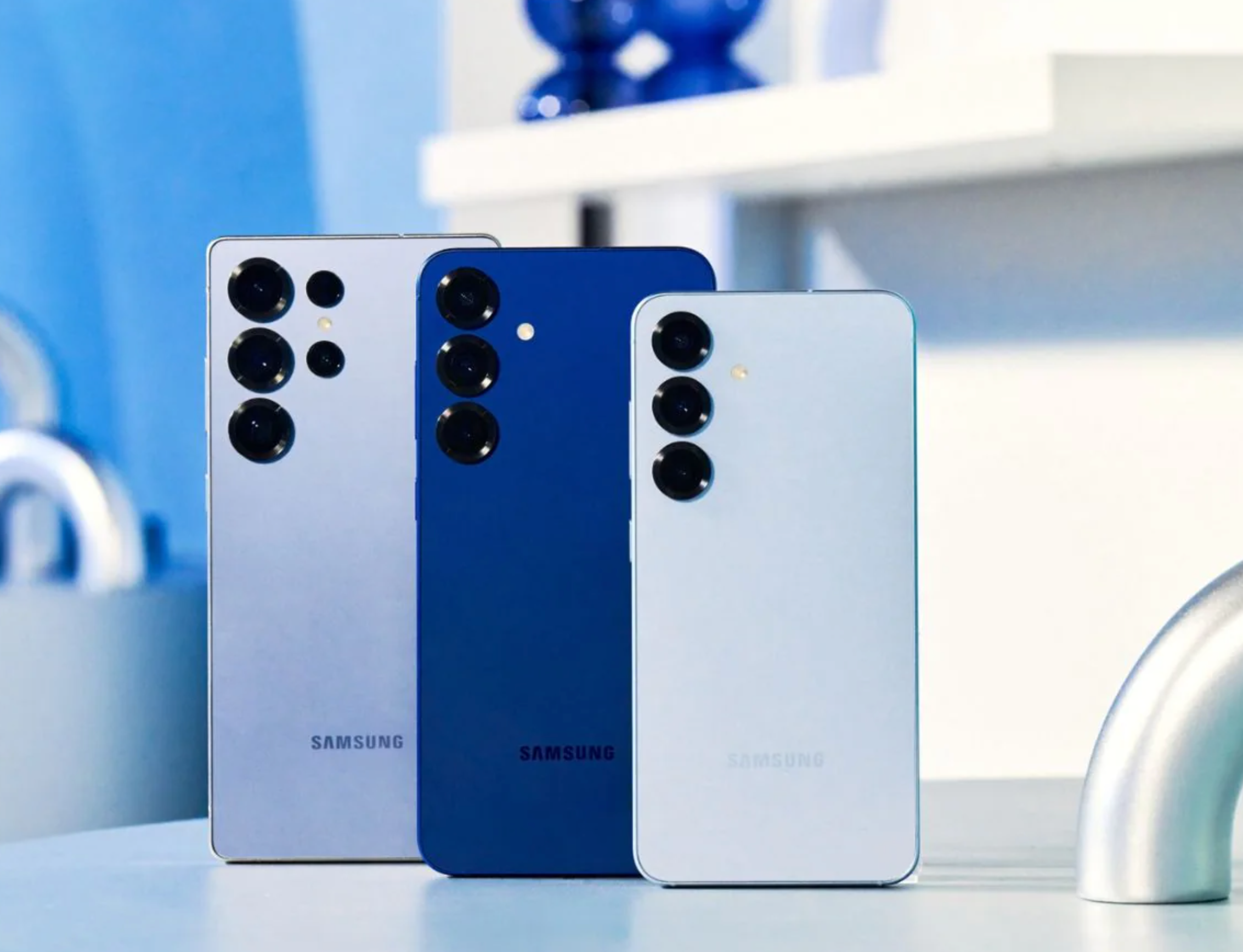
The update covers flagship phones starting from the Galaxy S21 series up to the current Galaxy S26. But it does not stop there. Select devices from the Galaxy A series are also on the list. The Galaxy A series is known for being budget friendly, which means Samsung is democratizing safety. High end safety features are no longer exclusive to those who can afford the most expensive phones.
Here is a quick look at the carrier and device breakdown:
- United States: Galaxy S21 and later, plus select Galaxy A models on T-Mobile, Verizon, and AT&T.
- Europe: Select Flagship and A series devices on Virgin Media O2, Vodafone, and MasOrange.
- Japan: Galaxy S22 and later, plus select Galaxy A models on KDDI, SoftBank, NTT docomo, and Rakuten.
This backward compatibility depends on the software version and carrier readiness. Samsung engineers have worked to optimize the One UI software to manage these satellite connections without draining the battery of older devices.
Connecting the unconnected world
This move signals a shift in how mobile networks operate. We are moving from a world reliant solely on ground based towers to a hybrid model that looks to the sky. Won-Joon Choi, the President and Head of the Mobile eXperience Business at Samsung, emphasized the importance of this shift.
He noted that Samsung has a long history in wireless innovation. The company is not working alone but is engaging in open collaboration with global partners to make this happen. As satellite connectivity becomes essential, Samsung is committed to providing reliable access when users need it most.
The integration also hints at future possibilities. Samsung mentioned using this connectivity to support AI driven mobile experiences. While the immediate focus is on emergencies, a stable satellite link could eventually support more advanced data tasks in remote areas. The company is actively talking with even more telecom operators to widen this net further.
For now, the focus remains on keeping people safe. Whether you are in the rural United States, the Japanese countryside, or traversing Europe, your Galaxy device is becoming a more reliable travel companion.
Conclusion
This expansion marks a significant turning point for mobile safety standards globally. By bringing satellite connectivity to older phones and budget friendly models, Samsung is proving that safety should be a standard right and not a luxury feature. It gives peace of mind to millions of parents, travelers, and outdoor enthusiasts who worry about losing contact with the world. As these networks mature, dead zones may soon become a thing of the past.