
The U.S. Securities and Exchange Commission just closed its years-long investigation into the Zcash Foundation without any penalties or changes required. This brings fresh relief to the group behind the privacy coin ZEC, but what does it mean for crypto’s future amid shifting rules? Dive in to see the full story.
Investigation Wraps Up Quietly
The Zcash Foundation got good news this week. The SEC told them it won’t push for any enforcement actions after a probe that started back in 2023. In a blog post on Wednesday, the foundation shared that the regulator finished its review and sees no need for fixes.
This outcome ends a multi-year uncertainty for the nonprofit focused on privacy tech in crypto.
The probe kicked off with a subpoena in August 2023. It linked to a wider SEC look into certain crypto asset offerings. The foundation cooperated fully, and now it’s over without drama.
An SEC spokesperson wouldn’t comment on details. That’s standard for the agency, which keeps quiet on such matters to avoid tipping off markets.
This closure highlights how regulators handle privacy coins like ZEC. These assets use tech to shield transaction details, raising questions about rules on securities and disclosures.
Roots of the SEC Scrutiny
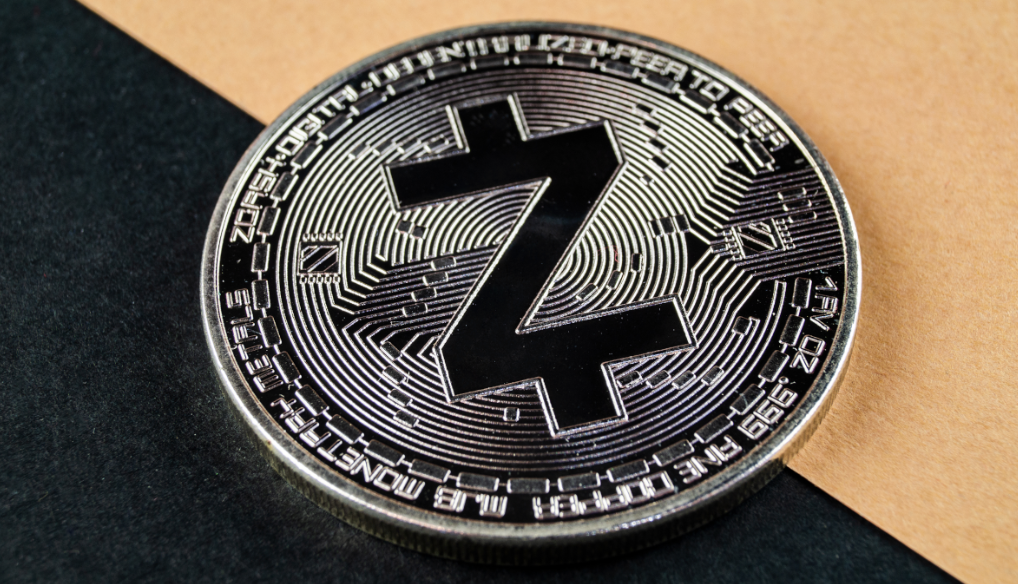
Zcash launched in 2016 as a cryptocurrency built for strong privacy. Unlike Bitcoin, it lets users hide sender, receiver, and amount info through zero-knowledge proofs. The Zcash Foundation, a nonprofit, supports development and growth of this tech.
The SEC’s interest stemmed from how some crypto projects raised funds. Many faced claims that their tokens were unregistered securities. For Zcash, the 2023 subpoena tied into a batch of similar inquiries.
Back then, under the previous administration, the SEC ramped up enforcement. It sued big names like Binance and Coinbase over similar issues. Zcash wasn’t alone; probes hit various privacy-focused projects.
Data from a 2024 report by blockchain analytics firm Chainalysis shows privacy coins made up about 5% of crypto transaction volume that year. But regulators worried about misuse, like money laundering. The Zcash team always stressed compliance and worked with authorities.
One key fact: ZEC’s market cap hovered around $500 million in early 2026, per CoinMarketCap data. Prices jumped 12% after the news, showing investor relief.
Shifts in U.S. Crypto Regulation
This isn’t just about Zcash. The SEC’s move fits a bigger pattern under the current administration. Since late 2024, the agency has dropped or settled dozens of crypto cases.
Under Chair Paul Atkins, the SEC launched “Project Crypto” to update rules for digital assets.
This initiative aims to balance innovation with investor protection. It focuses on onchain activities, like decentralized finance and token offerings.
Experts say the Trump-era approach is more hands-off. A 2025 study by the Blockchain Association found that enforcement actions against crypto firms dropped 40% from the prior year. That includes probes into DeFi protocols and exchanges.
For privacy coins, this could mean less fear of crackdowns. But challenges remain. Global rules vary, with some countries like Japan delisting ZEC from exchanges over privacy concerns.
Here’s a quick look at recent SEC crypto resolutions:
- Dropped case against a major DeFi lender in mid-2025.
- Settled with Coinbase without major fines in late 2025.
- Closed inquiries into several token issuers by early 2026.
These steps signal a thaw in U.S. crypto oversight.
Turbulence in the Zcash World
Even with the SEC off their back, Zcash faces internal storms. Earlier this month, the whole team at Electric Coin Company (ECC) quit. ECC, the main developer since 2016, saw about 25 staffers, including the CEO and chief scientist, walk out over governance fights.
The dispute involved Bootstrap, ECC’s parent nonprofit. It centered on fund management, including $35 million in locked ZEC tokens meant for devs.
The Zcash Foundation insists the network stays strong despite the shake-up.
In a January 8 statement, they noted Zcash’s decentralized setup means no single group controls it. The protocol runs on its own, backed by a global community.
This drama caused ZEC prices to dip 20% at first. But the SEC news helped it rebound. Long-term, Zcash aims to compete with rivals like Monero by improving privacy tech.
A recent upgrade proposal from the foundation includes better shielded transactions. That could boost adoption in areas like secure payments.
Looking Ahead for Privacy Coins
Privacy remains a hot button in crypto. With rising data breaches, tools like Zcash offer real value. A 2025 Pew Research survey found 70% of Americans worry about online privacy, up from 60% in 2020.
But risks linger. Criminals sometimes use these coins, per FBI reports. Zcash counters this with optional transparency features for audits.
The foundation’s win might inspire other projects. It shows that cooperating with regulators can pay off.
| Year | Key Zcash Events | Market Impact |
|---|---|---|
| 2016 | Zcash launches with zero-knowledge tech | Initial hype drives price to $5,000 per coin |
| 2023 | SEC subpoena issued | Price volatility increases |
| 2026 | SEC probe ends; ECC team resigns | Price swings from -20% to +12% |
This table captures Zcash’s rollercoaster ride.
In wrapping up, the SEC’s decision to close its investigation into the Zcash Foundation without action marks a pivotal win for privacy in crypto, easing years of uncertainty and spotlighting a softer regulatory stance under new leadership. It underscores Zcash’s resilience amid internal challenges, offering hope for innovators in the space while reminding us of the ongoing balance between privacy and oversight. What do you think about this shift in crypto rules—does it boost your confidence in privacy coins like ZEC? Share your thoughts below and spread the word with friends on social media.