

In a move that’s long been anticipated by users in the United States, Uber is piloting a new feature that allows women riders and drivers to choose each other. The feature — already live in 40 other countries — is now being tested in Detroit, Los Angeles, and San Francisco. The goal? To make rides feel safer and more comfortable for women.
It’s not a sweeping overhaul, but it’s a meaningful step in an industry that’s faced persistent criticism over safety issues, particularly involving female users.
Giving Women More Control Over Their Rides
For years, many women have said the same thing about ride-hailing apps — they want more say in who picks them up.
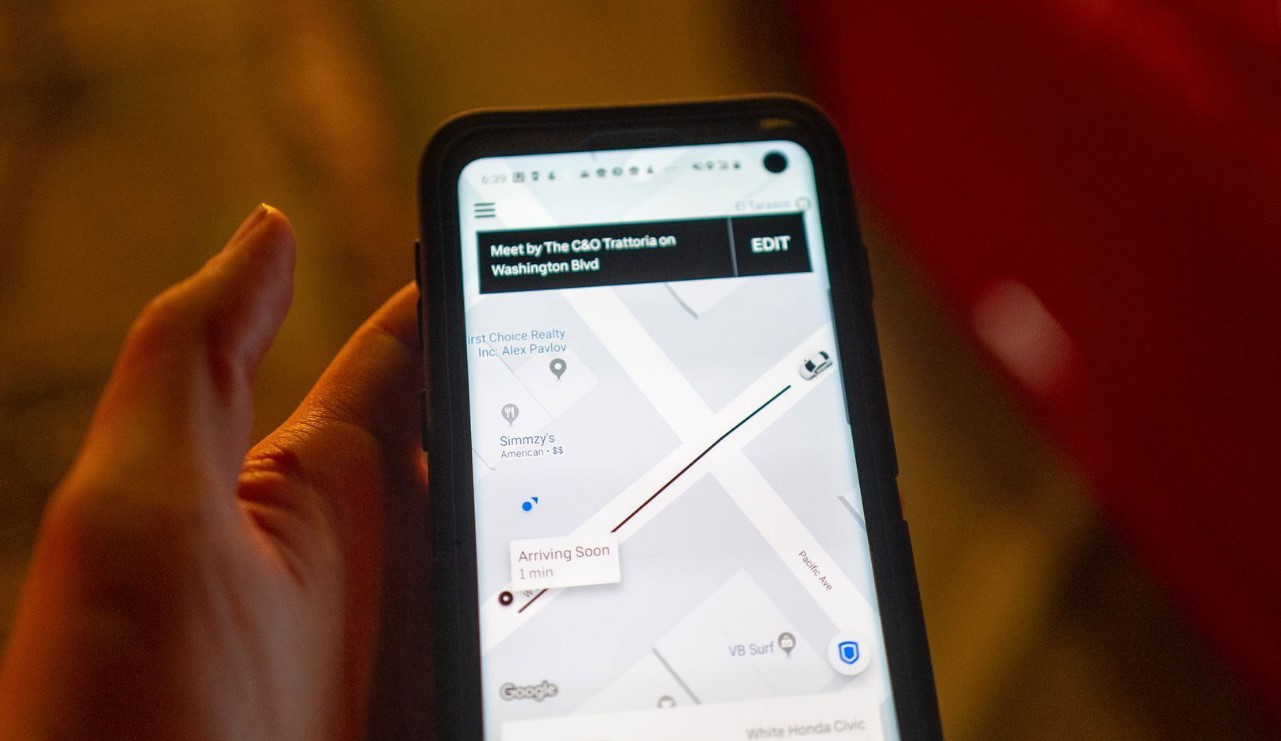
Now they can. Through a new “women preferences” setting in the Uber app, female riders can request a woman driver. While the match isn’t guaranteed, Uber says the system is designed to increase the likelihood significantly.
If no female drivers are available nearby? Riders can still opt for a standard ride and be matched with any available driver.
The feature isn’t always on by default. Riders need to enable it manually in their settings. But once set, the preference sticks unless changed.
Women Drivers Get to Choose Too
Uber didn’t forget about the women behind the wheel.
Female drivers can also switch on a preference to be matched only with female passengers. Uber says this offers more peace of mind, especially for women new to the platform or those who’ve had uncomfortable encounters.
This setting is flexible. Drivers can turn it on or off anytime, giving them the freedom to earn on their own terms.
The company says this kind of mutual opt-in is key. It’s about choice, not separation.
That means:
-
Riders and drivers must both have the preference enabled for the match to happen.
-
If either party doesn’t have it selected, a regular match is made.
It’s a system built around consent, not exclusion.
A Feature Born Abroad Finds a U.S. Home
Interestingly, this isn’t some flashy Silicon Valley-first launch. The feature debuted in Saudi Arabia back in 2017 — a country where cultural norms and gender dynamics demanded unique approaches.
Since then, it has rolled out across Latin America, Asia, and parts of Europe. Women in Argentina, Canada, India, Mexico, and Brazil already use the feature regularly.
And feedback? Mostly positive, especially from women drivers who said it gave them more confidence to drive during evening hours.
The U.S. took longer to adopt it, in part due to regulatory concerns and anti-discrimination rules. But with increasing user demand and data from other markets, Uber is giving it a test run.
Why Safety Still Looms Large in Ride-Hailing
Safety in ride-hailing hasn’t exactly been a footnote — it’s been front and center.
In its latest safety report, Uber revealed 36 physical assault-related fatalities over the course of 1.8 billion trips in the U.S. during 2021 and 2022. That’s a tiny percentage statistically, but every incident carries weight and public scrutiny.
For women especially, riding alone late at night or in unfamiliar areas can be unnerving. And stories — whether from personal experience or viral social media — have pushed many to ask for more protection and control.
Uber has rolled out a long list of features in response, including:
-
Emergency buttons within the app
-
Audio recording of trips
-
Real-time location sharing
-
In-app ride verification with a unique PIN
-
Verified rider badges
The “women preferences” feature is now part of that safety toolkit — one that centers on comfort as much as crime prevention.
It’s a Pilot — But the Stakes Are Real
Uber has framed this launch as a trial run, meaning things could change or expand depending on results from the three test cities.
In San Francisco, driver Julia Sanchez says she’s already using the preference setting and plans to keep it on. “It makes me feel less tense,” she said. “You don’t always know what you’re getting into. This helps.”
For now, there are no plans to add a similar feature for men or non-binary users. Uber says its current focus is addressing the biggest user concerns, and that starts with the demographic most impacted by safety fears: women.
Critics say more can still be done — better background checks, more support after incidents, and faster deactivation of bad actors. But others welcome even small changes that put more power into users’ hands.
It’s about time, a lot of women would say.