

The world of computing is evolving at a breakneck pace, with new technologies emerging that promise to revolutionize how we interact with machines. At the heart of this technological renaissance are the processors that power our devices: CPUs, GPUs, TPUs, and DPUs. These acronyms represent the different types of processing units that handle various tasks within a computer system, each with its unique capabilities and applications.
The Central Processing Unit (CPU)
The CPU, or Central Processing Unit, is often referred to as the brain of the computer. It performs the essential functions that allow our devices to operate. The CPU carries out instructions from a computer program by performing basic arithmetic, logic, controlling, and input/output operations specified by the instructions.
The versatility of the CPU makes it suitable for a wide range of tasks, from browsing the internet to running complex software applications. However, as computing demands grow, the need for specialized processors has become apparent.
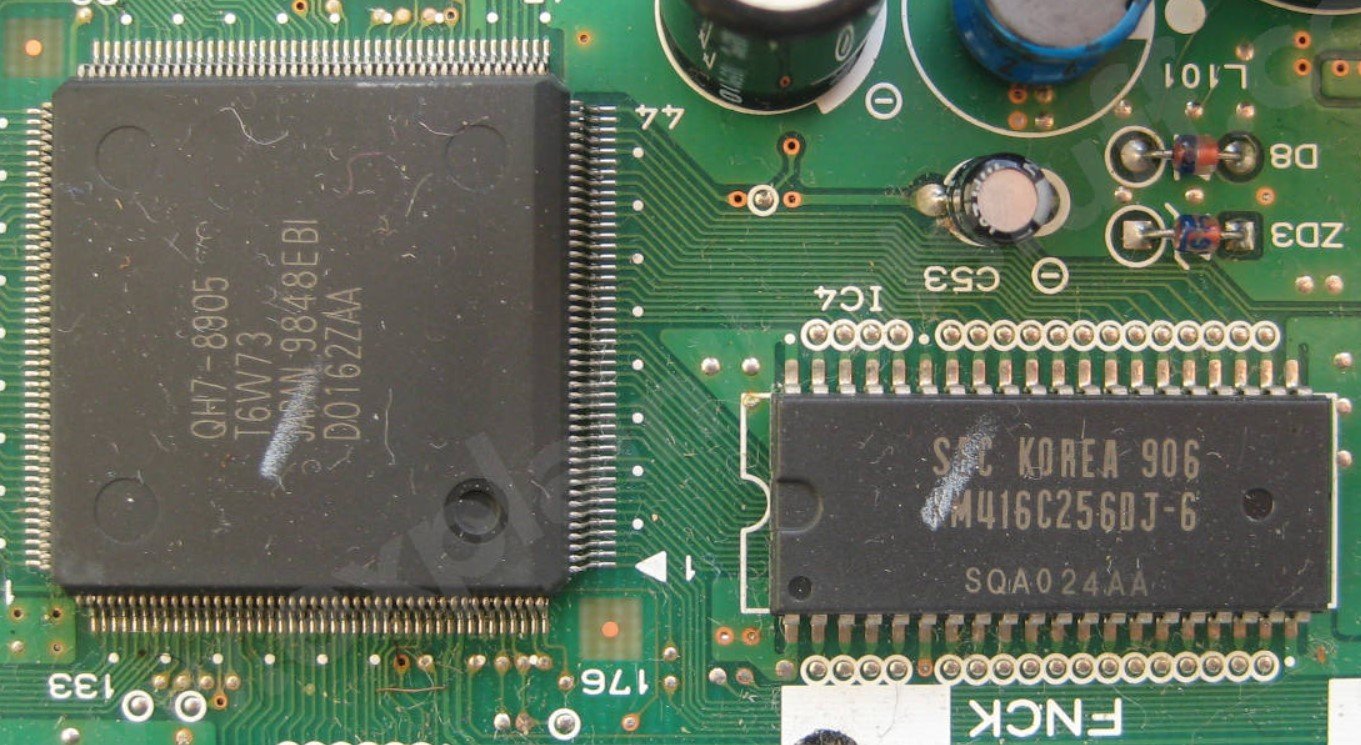
The Graphics Processing Unit (GPU)
Enter the GPU, or Graphics Processing Unit. Originally designed to render images and video for computer graphics, the GPU has found a new role in accelerating parallel processing tasks. Its architecture allows it to handle multiple operations simultaneously, making it ideal for tasks that require high computational throughput, such as machine learning, scientific simulations, and 3D rendering.
GPUs are particularly well-suited for handling the large blocks of data required in modern computing tasks, providing speed and efficiency that a CPU alone cannot match.
The Tensor Processing Unit (TPU) and Data Processing Unit (DPU)
As artificial intelligence and machine learning have advanced, the need for even more specialized processing has led to the development of TPUs, or Tensor Processing Units. TPUs are designed specifically for neural network machine learning, accelerating the computations required for large-scale AI applications.
Similarly, DPUs, or Data Processing Units, have emerged as a solution for managing the vast amounts of data movement and processing within data centers. They offload and accelerate tasks that would typically burden the CPU, improving overall system performance and efficiency.
The landscape of computing is changing, and with it, the processors that drive innovation. Understanding the roles and capabilities of CPUs, GPUs, TPUs, and DPUs is essential for anyone looking to navigate this exciting field.




![gain Rise in Gold Rate in India After Falling Rs 21,200/24K; Will Gold Price Today Jump or Drop on 28 March? By Harshika Yadav Published: Saturday, March 28, 2026, 6:55 [IST] preference Add as a preferred source on Google Gold rates in India witnessed a modest recovery on March 27, 2026, after a sharp fall in the previous session, indicating a cautious stabilisation in the bullion market. The yellow metal had dropped by Rs 212 per gram (or Rs 21,200 per 100 grams) of 24 Karat (24K) earlier, but managed to regain some ground. Gold Price Updates as US-Iran Tensions Ease; Pakistan, Turkiye & Egypt Step Up Mediation Efforts The rise in yellow metal follows easing geopolitical concerns after US President Donald Trump signalled a delay in potential military action against Iran's energy infrastructure by 10 days, pushing the deadline to April 6. This development, along with ongoing diplomatic efforts, has helped support safe-haven demand. gold Rate Today Further adding to market sentiment, Pakistan's Foreign Minister Ishaq Dar confirmed that Islamabad is acting as an intermediary between the United States and Iran, relaying messages as part of efforts to de-escalate tensions. Countries like Türkiye and Egypt are also reportedly supporting the mediation process, offering some relief to global financial markets. Gold Rate in India: Check Latest 22K, 24K & 18K Gold Prices Per Gram 24 Karat Gold Rate Today in India In the 24 Karat segment, at the time of writing, the rate for 1 gram stood at Rs 14,471, rising by Rs 16 from Rs 14,455. For 8 grams, the price increased to Rs 1,15,768, up by Rs 128. The rate for 10 grams climbed to Rs 1,44,710, reflecting a gain of Rs 160, while 100 grams of 24 Karat gold were priced at Rs 14,47,100, marking an increase of Rs 1,600. 22 Karat Gold Rate Today in India The price of one gram of 22K stood at Rs 13,265, gaining Rs 15 from the previous session. For 8 grams, the rate rose to Rs 1,06,120, registering an increase of Rs 120. The cost of 10 grams advanced to Rs 1,32,650, up by Rs 150, while 100 grams were priced at Rs 13,26,500, reflecting a gain of Rs 1,500. 18 Karat Gold Rate Today in India The rate for one gram of 18K stood at Rs 10,853, up by Rs 12. For 8 grams, the price moved up to Rs 86,824, marking a gain of Rs 96. The rate for 10 grams climbed to Rs 1,08,530, increasing by Rs 120, while 100 grams were valued at Rs 10,85,300, reflecting an uptick of Rs 1,200. Latest MCX Gold Price In the domestic futures market, gold on the Multi Commodity Exchange (MCX) held firm above the Rs 1,44,500 level as per latest trading record, supported largely by the weakness in the Indian rupee, which continues to cushion local prices despite global volatility. Latest Spot Gold Rate The rebound in domestic gold rates comes alongside a recovery in international markets, where gold moved above the $4,400 per ounce mark. What Lies Ahead for Gold Prices? Check Gold Rate Prediction Jateen Trivedi, VP - Research Analyst (Commodity and Currency), LKP Securities, said, "Gold remained slightly positive, trading above $4,425 with highs near $4,475, supported by initial optimism around US-Iran talks. However, the sharp rise in crude continues to signal underlying market stress and inflation risks." From a technical perspective, he explained, "Technically, support is seen near Rs 1,42,000, while resistance is placed around Rs 1,46,500. Overall, gold is expected to remain volatile with limited upside unless clarity emerges on inflation and geopolitics."](https://keralanews247.com/wp-content/uploads/2026/03/rupee-and-dollar-scaled-120x86.png)