

In a bold move that pushes smartphone boundaries, Vivo has unveiled the X300 series, blending top-tier cameras with a remarkably slim body that defies expectations. Product manager Han Boxiao calls it the thinnest flagship yet, clocking in at just 7mm, even as it packs bigger batteries and advanced imaging. This reveal sparks excitement for what’s next in compact tech.
Breaking Ground with Slim Innovation
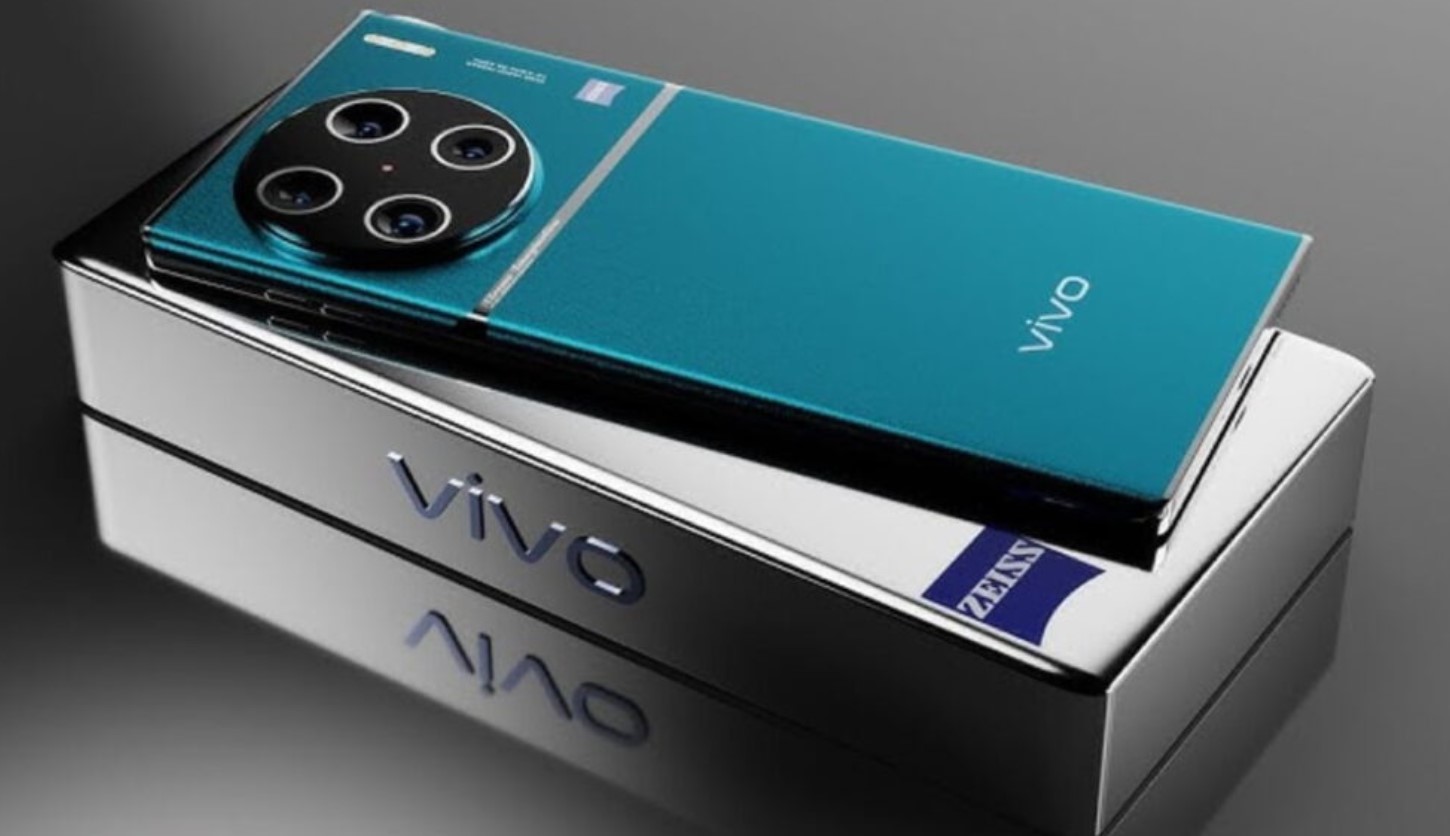
Vivo’s latest flagships, the X300 and X300 Pro, measure only 7mm at their thinnest points. That’s a full millimeter slimmer than the previous X200 at 7.99mm and X200 Pro at 8mm.
Han Boxiao shared these details on social media, highlighting the engineering feats behind the design. The X300 series uses groundbreaking ultra-thick integrated cold-sculpting technology, making the back cover twice as high as traditional methods.
This approach allows for a camera bump that’s just 1.28mm above the cold-sculpted glass. It’s a throwback to phone designs from a decade ago, but with modern power.
The back cover glass is over three times thicker than what’s found in ordinary phones. Only one company in China can produce it, and the process takes several times longer than usual.
Camera Power in a Compact Frame
Despite the slim profile, the X300 series doesn’t skimp on imaging. The standard X300 boasts a 200MP Samsung HPB primary camera with optical image stabilization, paired with a 50MP ultra-wide and a 50MP periscope telephoto lens offering 3x zoom and macro capabilities.
The X300 Pro steps it up with a 50MP Sony LYT-828 main sensor, known for its gimbal-like stability, and a 200MP periscope for stunning zoom shots.
Both models feature a 50MP front camera with autofocus and a wide 92-degree field of view, perfect for group selfies.
Han emphasized that this camera setup fits into a small screen design without feeling bulky. The innovation comes from high investments in materials and tech, ensuring the phones feel natural and comfortable in hand.
Display and Performance Details Shine
The X300 sports a 6.3-inch 1.5K flat LTPO OLED display with 120Hz refresh rate, delivering smooth visuals in a compact form.
Its bigger sibling, the X300 Pro, comes with a 6.78-inch flat OLED screen, also at 1.5K resolution and 120Hz, but with ultra-slim bezels for an immersive experience.
Under the hood, both run on the MediaTek Dimensity 9500 chipset, built on a 3nm process for efficient power and speed.
Battery life impresses too. The X300 packs around 6500mAh with 90W fast charging, while the Pro model supports similar high-capacity options.
These specs make the series stand out for users wanting flagship performance without the bulk. Vivo has reduced thickness while boosting battery size and camera quality, addressing common complaints about heavy phones.
Behind the Design Investment
Vivo poured its largest-ever investment into the X300 series design, according to Han. This focus results in smooth edges and natural transitions that enhance grip and comfort.
The cold-sculpting tech integrates seamlessly, creating a side profile that’s both beautiful and functional.
Here’s a quick comparison of key thickness stats:
| Model | Thickness (mm) | Battery (approx.) | Key Camera Feature |
|---|---|---|---|
| Vivo X300 | 7 | 6500mAh | 200MP main sensor |
| Vivo X300 Pro | 7 | 6000mAh+ | 200MP periscope zoom |
| Vivo X200 | 7.99 | 6000mAh | Standard triple camera |
| Vivo X200 Pro | 8 | 6000mAh | Advanced telephoto |
This table shows how Vivo shaved off weight without cutting corners.
The result? Phones that feel premium yet lightweight, ideal for everyday use.
Han teased that color options are coming soon, promising the best-looking and best-feeling X series to date.
This slim design could change how we think about flagships. It tackles the trade-off between power and portability, making high-end features accessible in a pocket-friendly package. Users tired of bulky devices might find their perfect match here, sparking a shift toward thinner tech across the industry. What do you think about this ultra-thin revolution in smartphones? Share your thoughts and pass this article along to your friends on social media.