

Animal migrations are one of the most spectacular and awe-inspiring phenomena in nature, involving millions of animals moving across vast distances and habitats. However, these migrations are also under serious threat from human activities, such as fishing, fencing, and development, which are causing population declines and extinctions of many migratory species. A new report by the United Nations Convention on the Conservation of Migratory Species reveals the alarming state of the world’s migratory animals, and calls for urgent action to protect them.
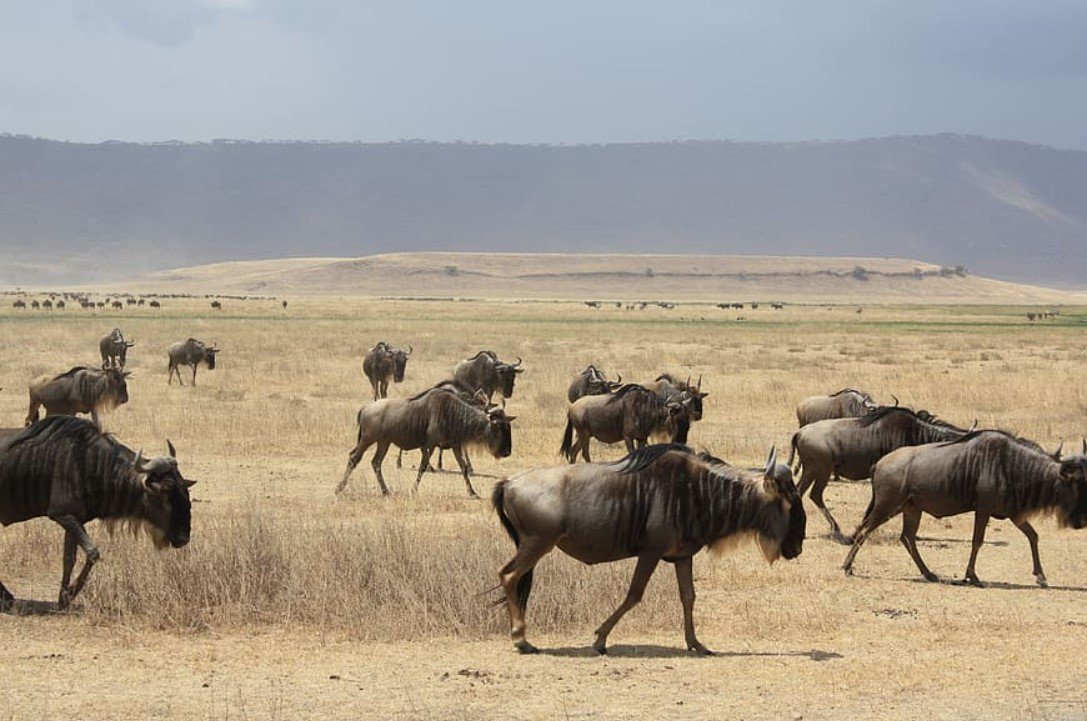
The First-Ever Global Stocktake of Migratory Species
The report, titled Living Planet Report: Migratory Species, is the first-ever global stocktake of the status and trends of migratory species, covering 1,189 species of mammals, birds, reptiles, fish, and insects. The report is based on data from 2000 to 2020, and uses various indicators, such as population size, distribution, threats, and conservation measures, to assess the health and well-being of migratory species.
The report shows that nearly half (44%) of the migratory species have experienced population declines, and more than a quarter (27%) have experienced population increases. The report also shows that the situation is worse for marine species, with 90% of migratory fish species threatened with extinction. The report identifies overexploitation, habitat loss and degradation, climate change, pollution, and invasive species as the main drivers of the decline and extinction of migratory species.
The Impacts of Human Activities on Animal Migrations
The report highlights how human activities have disrupted and destroyed the natural patterns and pathways of animal migrations, and how this has affected their survival and reproduction. Some of the impacts of human activities on animal migrations are:
- Fishing: Fishing is the most common and direct form of human exploitation of migratory species, especially marine species. Fishing not only targets migratory species for food, but also catches them as bycatch, or unwanted catch, which often results in their injury or death. Fishing also affects the availability and quality of food sources for migratory species, and alters their migration routes and timings.
- Fencing: Fencing is a common form of human intervention in terrestrial habitats, which aims to control the movement of animals for various purposes, such as agriculture, livestock, security, or conservation. Fencing not only blocks and fragments the migration corridors and habitats of migratory species, but also exposes them to predation, disease, starvation, and conflict with humans and other animals.
- Development: Development is a broad term that encompasses various forms of human activities that alter the natural landscape and environment, such as urbanization, industrialization, mining, infrastructure, and tourism. Development not only reduces and degrades the habitat and resources of migratory species, but also introduces noise, light, and chemical pollution, which can affect their behavior, physiology, and health.
The Need for Urgent and Collaborative Action
The report warns that the loss and extinction of migratory species will have profound and irreversible consequences for the ecosystems and human well-being, as migratory species play vital roles in pollination, seed dispersal, nutrient cycling, pest control, and food security. The report also emphasizes that the conservation and management of migratory species require urgent and collaborative action, as migratory species cross multiple boundaries and jurisdictions, and face multiple threats and challenges.
The report recommends several actions and measures to protect and restore the migratory species and their habitats, such as:
- Implementing and enforcing international and national laws and agreements that regulate the exploitation and trade of migratory species, and that promote their conservation and sustainable use.
- Establishing and expanding protected areas and corridors that cover the critical habitats and routes of migratory species, and that ensure their connectivity and functionality.
- Reducing and mitigating the impacts of human activities on migratory species and their habitats, such as fishing, fencing, and development, and adopting best practices and standards that minimize the harm and maximize the benefit for migratory species.
- Enhancing the monitoring and research of migratory species and their migrations, and improving the data and knowledge sharing among different stakeholders and sectors.
- Raising the awareness and engagement of the public and the policymakers about the importance and value of migratory species and their migrations, and fostering a culture of respect and appreciation for them.







![gain Rise in Gold Rate in India After Falling Rs 21,200/24K; Will Gold Price Today Jump or Drop on 28 March? By Harshika Yadav Published: Saturday, March 28, 2026, 6:55 [IST] preference Add as a preferred source on Google Gold rates in India witnessed a modest recovery on March 27, 2026, after a sharp fall in the previous session, indicating a cautious stabilisation in the bullion market. The yellow metal had dropped by Rs 212 per gram (or Rs 21,200 per 100 grams) of 24 Karat (24K) earlier, but managed to regain some ground. Gold Price Updates as US-Iran Tensions Ease; Pakistan, Turkiye & Egypt Step Up Mediation Efforts The rise in yellow metal follows easing geopolitical concerns after US President Donald Trump signalled a delay in potential military action against Iran's energy infrastructure by 10 days, pushing the deadline to April 6. This development, along with ongoing diplomatic efforts, has helped support safe-haven demand. gold Rate Today Further adding to market sentiment, Pakistan's Foreign Minister Ishaq Dar confirmed that Islamabad is acting as an intermediary between the United States and Iran, relaying messages as part of efforts to de-escalate tensions. Countries like Türkiye and Egypt are also reportedly supporting the mediation process, offering some relief to global financial markets. Gold Rate in India: Check Latest 22K, 24K & 18K Gold Prices Per Gram 24 Karat Gold Rate Today in India In the 24 Karat segment, at the time of writing, the rate for 1 gram stood at Rs 14,471, rising by Rs 16 from Rs 14,455. For 8 grams, the price increased to Rs 1,15,768, up by Rs 128. The rate for 10 grams climbed to Rs 1,44,710, reflecting a gain of Rs 160, while 100 grams of 24 Karat gold were priced at Rs 14,47,100, marking an increase of Rs 1,600. 22 Karat Gold Rate Today in India The price of one gram of 22K stood at Rs 13,265, gaining Rs 15 from the previous session. For 8 grams, the rate rose to Rs 1,06,120, registering an increase of Rs 120. The cost of 10 grams advanced to Rs 1,32,650, up by Rs 150, while 100 grams were priced at Rs 13,26,500, reflecting a gain of Rs 1,500. 18 Karat Gold Rate Today in India The rate for one gram of 18K stood at Rs 10,853, up by Rs 12. For 8 grams, the price moved up to Rs 86,824, marking a gain of Rs 96. The rate for 10 grams climbed to Rs 1,08,530, increasing by Rs 120, while 100 grams were valued at Rs 10,85,300, reflecting an uptick of Rs 1,200. Latest MCX Gold Price In the domestic futures market, gold on the Multi Commodity Exchange (MCX) held firm above the Rs 1,44,500 level as per latest trading record, supported largely by the weakness in the Indian rupee, which continues to cushion local prices despite global volatility. Latest Spot Gold Rate The rebound in domestic gold rates comes alongside a recovery in international markets, where gold moved above the $4,400 per ounce mark. What Lies Ahead for Gold Prices? Check Gold Rate Prediction Jateen Trivedi, VP - Research Analyst (Commodity and Currency), LKP Securities, said, "Gold remained slightly positive, trading above $4,425 with highs near $4,475, supported by initial optimism around US-Iran talks. However, the sharp rise in crude continues to signal underlying market stress and inflation risks." From a technical perspective, he explained, "Technically, support is seen near Rs 1,42,000, while resistance is placed around Rs 1,46,500. Overall, gold is expected to remain volatile with limited upside unless clarity emerges on inflation and geopolitics."](https://keralanews247.com/wp-content/uploads/2026/03/rupee-and-dollar-scaled-120x86.png)