

A fan-favorite for its charm and wit, the sitcom skipped over some uncomfortable realities in law enforcement diversity — and that matters more than people think.
While Brooklyn Nine-Nine gained plenty of praise for being inclusive, the show’s portrayal of diversity doesn’t always reflect what’s true in real-life precincts. From misrepresenting gender ratios to glossing over deeper socioeconomic and cultural layers, it presents an idealized — and sometimes misleading — image of law enforcement.
It’s easy to enjoy a show for what it is. But it’s also worth taking a moment to look at what it isn’t showing, especially when it touches on sensitive social structures like policing.
A Limited Look at Ethnic Diversity
On the surface, Brooklyn Nine-Nine looks like a poster child for ethnic representation.
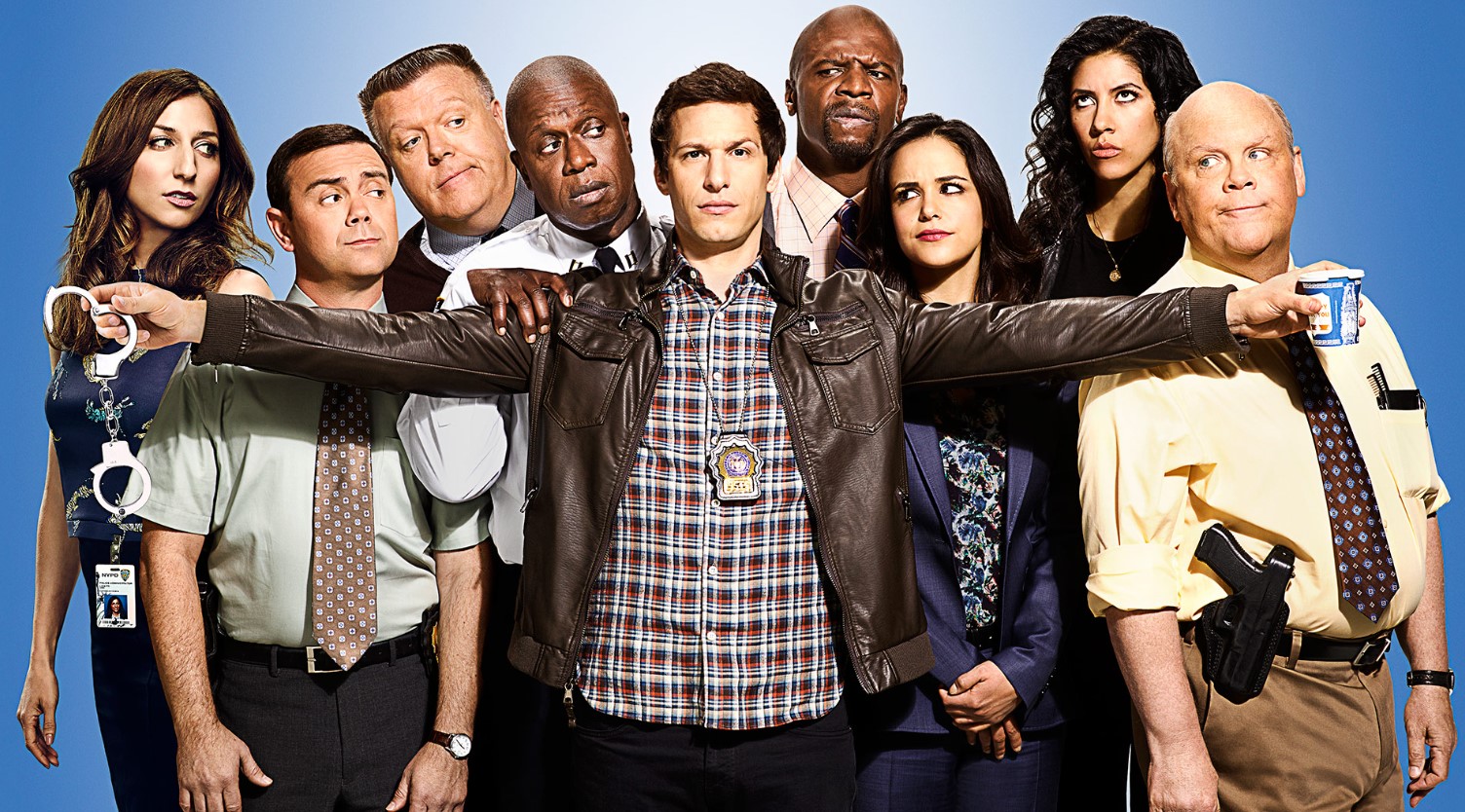
Terry Crews as the soft-spoken sergeant. Melissa Fumero and Stephanie Beatriz portraying Latina detectives. Andre Braugher as the stoic Black captain. That’s a mix you don’t often get on primetime TV. But when you take a closer look, there’s a narrow lens at play.
While it gives visibility to Black and Latin characters, others remain mostly absent — notably Asian, Middle Eastern, and Indigenous officers. It’s not that these communities aren’t part of law enforcement; they just didn’t really make it onto the squad at the Nine-Nine.
This selective representation risks sending the wrong message. It can lead audiences to associate policing with just a few communities, sidelining others that are present in real departments. In places like New York, where the show is set, police demographics are far more complex.
In short, it felt diverse — but only to a point.
Gender Representation That Skews Reality
One of the show’s biggest strengths — and biggest inaccuracies — is its portrayal of women in policing.
Rosa Diaz and Amy Santiago aren’t just there to fill a quota. They’re layered, competent, unapologetically powerful. Gina Linetti, while not a cop, is a strong presence too. And that’s great — on screen. But it doesn’t quite add up with what’s happening behind real precinct doors.
Nationwide, women make up around 12–14% of law enforcement. That number hasn’t changed much in years. In many departments, especially smaller ones, female officers are a rare sight. Meanwhile, Brooklyn Nine-Nine makes it feel like departments are balanced and inclusive.
This misalignment does more than stretch the truth. It shapes public perception, especially for younger viewers or those unfamiliar with the profession. The idea that gender equality has been “solved” in law enforcement just isn’t true.
And that’s not even getting into the unique challenges women face in the force — from harassment to isolation — which the show never really explores.
Missing Socioeconomic Realities
Here’s a part of diversity people don’t talk about enough: money.
Brooklyn Nine-Nine barely touches on the economic backgrounds of its characters. Most of them live comfortably in spacious apartments, eat out constantly, and wear clothes that definitely don’t scream “civil servant salary.”
In real life, many officers come from working-class families. Policing often appeals to people looking for job stability, benefits, and a shot at upward mobility. These origins shape how they interact with the public, especially in poorer communities.
By ignoring that layer, the show misses a key aspect of identity. Socioeconomic roots are just as impactful as race or gender. They influence perspective, bias, even who gets to become a cop in the first place.
One could argue it’s a comedy — not a documentary. Fair. But even comedy can be honest. And this part felt like a blind spot.
Cultural Nuance Gets Lost in the Laughs
Cultural dynamics in any workplace are messy. In a police department, where pressure is high and teamwork is everything, they can be make-or-break.
Brooklyn Nine-Nine simplifies these for comedic rhythm. Disagreements between characters from different backgrounds are played for laughs or skipped altogether. Cultural misunderstandings? Rare. Cross-cultural tension? Practically non-existent.
But anyone who’s worked in a diverse team knows that’s not real. Sometimes, communication styles clash. Sometimes, bias shows up — even unconsciously. Sometimes, shared values aren’t so shared after all.
Instead of wrestling with these nuances, the show opts for harmony. That’s nice to watch, sure. But it glosses over the real effort needed to make diverse teams function well in stressful, hierarchical environments like police departments.
One character even jokes, “This is the most functional workplace in the city!” Yeah. That might be the most unrealistic part.
Real Numbers Tell a Different Story
Sometimes, stats can speak louder than scenes. Here’s a quick snapshot of U.S. police demographics from 2023:
| Demographic Group | Percentage in Police Force | Notable Absence in Brooklyn Nine-Nine |
|---|---|---|
| White (non-Hispanic) | 66% | Overrepresented |
| Black or African Am. | 12% | Accurately represented |
| Hispanic or Latino | 14% | Somewhat represented |
| Asian American | 3% | Barely represented |
| Native American | <1% | Not represented |
| Female Officers | 13% | Overrepresented |
This kind of data doesn’t mean a TV show has to become a census spreadsheet. But when public trust in law enforcement is fragile, representation — even fictional — carries weight.
The Intent Was Good, But the Impact Needs Scrutiny
Let’s be clear: Brooklyn Nine-Nine meant well.
The creators actively worked to be more inclusive, especially as social conversations around police and race grew louder in the last decade. They made changes, scrapped episodes after George Floyd’s murder, and addressed topics like racial profiling.
But intent and impact aren’t always the same thing.
The series still gave us an overly polished view of what diversity in law enforcement looks like. And with a medium as powerful as television, that portrayal sticks. For some viewers, especially younger ones, it might even become the template.
So yes, we can love the show. Laugh at Boyle’s awkwardness. Quote Captain Holt’s deadpan lines. Celebrate Rosa’s bisexual storyline. All of that matters.
But we can also ask for more — because how we see the world on screen shapes how we understand it off screen.